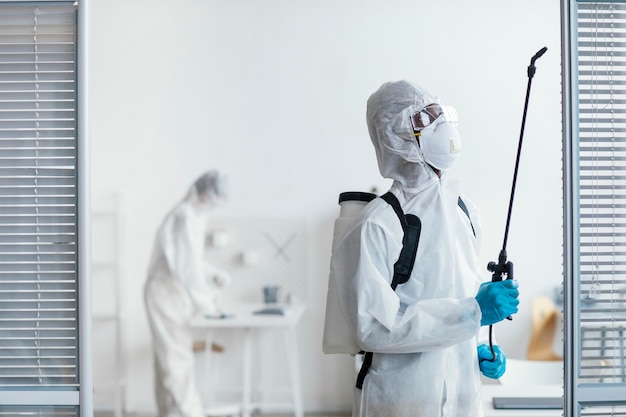
Professional Victorville Residential Pest Control Services
Maintaining a pest-free home is crucial for the health and safety of residents. Pest infestations can lead to significant damage to property and pose health risks to occupants. In Victorville, where diverse pest species are prevalent, professional residential pest control services play a pivotal role in ensuring homes are protected from unwanted intruders. Homeowners seeking effective pest management solutions should understand the importance of these services, the common pests encountered, and the methods employed to control them.
Understanding the Need for Pest Control
Pest control is essential for preserving the integrity of homes and protecting the well-being of individuals residing within them. Pests can cause:
- Structural damage to buildings.
- Contamination of food and surfaces.
- Transmission of diseases.
- Allergic reactions and respiratory issues.
For those living in Victorville, understanding the local pest threats is crucial. The region's climate and environment create ideal conditions for various pests, making professional intervention necessary. Learn more in this detailed guide.
Common Residential Pests in Victorville
Victorville homes may face infestations from a variety of pests. The most common include:
- Ants: Known for their persistent nature, ants can invade homes in search of food and nesting sites.
- Termites: Often referred to as "silent destroyers," termites can cause extensive damage to wooden structures.
- Rodents: Mice and rats not only damage property but also carry diseases that can affect humans.
- Spiders: While many spiders are harmless, some species like the black widow can pose a threat to humans.
- Cockroaches: These pests are notorious for spreading bacteria and allergens.
Each of these pests requires specific strategies for effective control and prevention. Find additional information here.
Methods of Pest Control
Inspection and Identification
The first step in professional pest control is a thorough inspection to identify the type and extent of the infestation. Accurate identification is crucial for selecting the appropriate treatment methods. Explore further insights here.
Treatment Options
Treatment methods vary depending on the pest and the severity of the infestation. Common approaches include:
- Chemical Treatments: Use of pesticides to eliminate pests. These are applied carefully to minimize exposure to residents.
- Traps and Baits: Effective for rodents and some insect species, these are strategically placed to capture and kill pests.
- Biological Control: Utilizes natural predators or pathogens to control pest populations.
- Integrated Pest Management (IPM): A comprehensive approach that combines multiple strategies for long-term control.
For homeowners, understanding these options can guide informed decisions about pest control solutions. Read more about this topic.
Preventative Measures
Prevention is a key component of effective pest management. Homeowners can take several steps to minimize the risk of infestations:
- Seal cracks and gaps in the building exterior.
- Maintain cleanliness and proper sanitation practices.
- Store food in airtight containers.
- Regularly inspect and maintain home structures to prevent vulnerabilities.
- Remove standing water to deter mosquitoes and other pests.
Implementing these measures can significantly reduce the likelihood of pest problems. Learn more in this detailed guide.